 The Halifax-based brand is modernizing the used-car industry by merging digital ease with human trust to make car buying fun again.
This story was originally published in the Fall 25 issue of strategy magazine. Check out the winners as they appear online over the course of the week here.
Buying a car should be exciting, at least in the mind of Clutch founder and COO Stephen Seibel. But before he launched the digital-first auto retailer, his experience was that it was the opposite. It was stressful, opaque and often outdated. From mounds of paperwork to sketchy sales practices, the process has long been dominated by frustration and a lack of trust. Hence the simple goal of Clutch: to make buying and selling cars seamless, trustworthy and distinctly Canadian.
Founded in Halifax in 2016, Clutch is among Canada’s fastest-growing auto companies, powered by tech but rooted in a commitment to a better human experience. “The main focus of the business at first was to make that buying experience better,” says Seibel.
For Seibel, the problem was obvious. Traditional used-car buying is riddled with friction: there’s no cooling-off period, no easy returns and customers are left to navigate a world of haggling and hidden fees. “One of the biggest things is putting a money-back guarantee on every single unit,” he says. “It alleviates the issue of having second thoughts, discovering something about the quality of the vehicle, finding out that a car seat doesn’t fit, or that it doesn’t fit in the garage. Relying on luck is insane – something we absolutely wanted to fix.”
From the outset, the company sought to bridge the trust gap. Promises of test drives delivered to a customer’s door, separate appointments for delivery and the “touchstone” 10-day return period were offered not only as conveniences but as trust-building exercises.
Yet Seibel acknowledges that no amount of processes or guarantees alone can fully convince Canadians to try a new way of buying a car. That’s where brand and marketing come in.
“The only thing more powerful than brand, for us, is someone who’s bought or sold a car using us and they tell their friends about it,” he says. Clutch’s marketing strategy keys in on that social aspect while making the experience feel approachable, credible and – ideally – fun.
Mark Arvai, Clutch’s head of marketing, puts it bluntly: “Auto advertising is mostly boring and forgettable. We saw that as an opportunity. By embracing a cheeky tone, cinematic style and bold design, we’ve built a clear set of brand assets and deployed them consistently.”
While many tech companies put their marketing might behind digital channels, Clutch has invested heavily in traditional media – TV, radio, OOH – in hopes of achieving what Arvai calls “mental availability” among mass audiences.
Promotional efforts also serve as a platform toward legitimacy. Professional sports partnerships have included 2022’s multi-year broadcast sponsorship deal with the NHL and this year’s national TV campaigns created by Toronto’s Mint Agency, featuring Toronto Raptors players Kelly Olynyk and Immanuel Quickley, have rolled out nationally.
 Toronto Raptors stars Immanuel Quickley and Kelly Olynyk team up with Clutch to make car buying feel like game night.
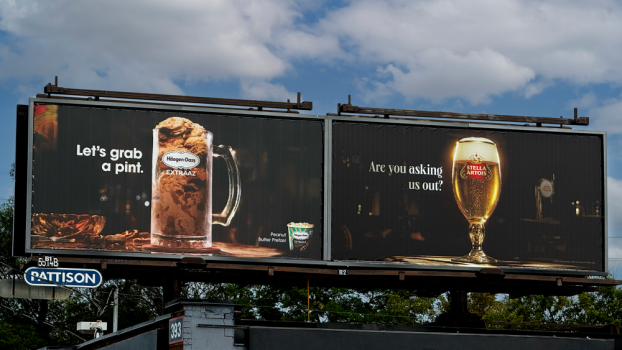
Buying up dedicated space and regularly updating billboard placements on the Gardiner Expressway in Toronto, and similar region-specific OOH activations in Halifax and Vancouver, have helped keep the brand top of mind among urbanites and commuters alike.
“Anyone can make a decent ad on Facebook, Instagram or YouTube,” Arvai says. “Not every company can afford an NBA partnership or a big billboard. So, we really focus on what some of those flagship partnerships and media can do to build legitimacy. A big billboard, especially connecting to a commuting group, it’s unmissable.”
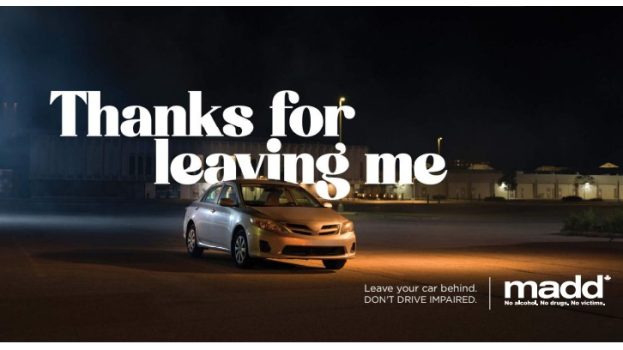
Clutch doesn’t stop at grabbing attention; it addresses real consumer friction. A 2022 campaign created with agency Performance Art positioned the brand as a safer option, urging consumers to ditch dealerships and associated used-car hucksters.
More recently, Clutch has been working with Mint on a project basis, first for a March campaign focused on speed, appealing to Canadians who need to buy or sell immediately. A rollout this past summer emphasized ease of use, while highlighting Clutch’s massive car-refurbishment facilities in Halifax, Mississauga and Richmond, as well as the employees who populate them. The work, launched in July, led to a 25% lift in offers on the first day.
“We focused on the idea that there’s actually a lot of people already doing this, and that might make it feel a little bit less scary,” Arvai says. “That combination of things – showing scale, showing real workshops, real people working on cars – we thought was really helpful for people to believe that we were a legitimate business to trust.”
Clutch CEO Dan Park stresses that branding is inseparable from operational consistency. “The same way you can get a Big Mac in Halifax, Calgary or Toronto and it tastes pretty much the same, we want a Clutch car and the Clutch standard to be the same across every market,” he says.
Honing operating procedures is the key to delivering Clutch’s promises at scale. The company says it buys more than three million dollars in car inventory every day and that it has purchased more than one billion dollars’ worth of vehicles to date. Challenges come with that volume: inspecting, reconditioning and certifying thousands of vehicles requires not just skilled mechanics but a network of facilities capable of handling those logistics.
“We’ve hired every single mechanic we can hire and there’s still not enough within the country to do what we need to do,” Seibel says. “Now it’s discussions of how we need to start some form of trade school. We need to start training more people to become mechanics.”
Even with this scale, Clutch is mindful about growth. Park likens expansion to an S-curve: periods of rapid growth followed by deliberate pauses to fix processes, optimize logistics and ensure quality.
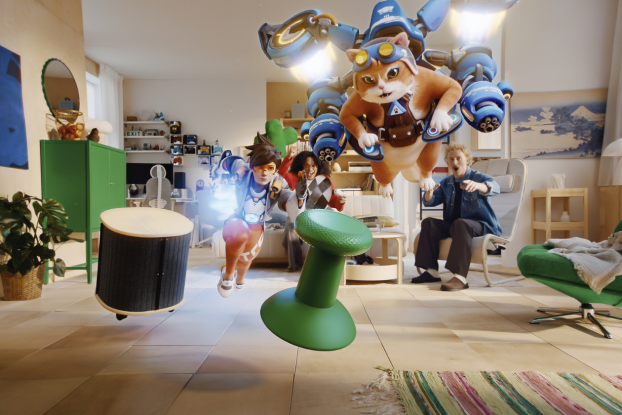
 Clutch aims to turn the hassle of private sales into a simple online experience, highlighting how the brand makes selling as easy as buying.
“When you grow this quickly, processes and structures will break, and those are usually good times to pause and deliberately slow down growth or stop growth,” he says.
The scaling approach is paired with rigorous marketing metrics. Arvai says brand awareness has tripled since 2024, while share of search – a leading indicator of future demand – is up 450%.
Park emphasizes that trust and standardization are the heart of the Clutch proposition. Certified mechanics rigorously inspect every vehicle, providing a “Clutch standard” alongside provincial safety certifications. Once the customer experience is dialled in, the marketers step in to amplify.
Arvai says Clutch now leads the category in ad recall across Canada and that customer acquisition costs have been halved, even as transaction volumes continue to rise. Brand and growth teams work closely to ensure marketing efforts complement operational improvements.
Looking ahead, Clutch is taking a methodical approach to expansion. It could enter Alberta tomorrow but instead will wait until later in the new year, when inventory, logistics and brand messaging are ready.
“We wouldn’t launch a new city or market without heavy brand investment,” Arvai says. “It’s when those things happen in unison that our market launches have been successful in the past.”
The company’s ambition is national as it looks to expand beyond its foundational facilities in Nova Scotia, Ontario and B.C. Seibel says the plan is to offer services in every province in the next three to five years. Achieving that goal will require not just large-scale facilities, but continued workforce development, technology upgrades and process optimization.
The promise, easy to define but much more difficult to execute, is simple: a safe, predictable and modern car-buying experience. “We want people to walk away feeling like they’re ahead of the curve, like they’re an early adopter,” Park says. “I think we’ve got a team focused on delivering an experience so exceptional that you can’t help but share.”