By Asma Aziz, Country General Manager of Intel Canada
CES 2026 made one thing unmistakably clear: this year’s show wasn’t about flashy demos or futuristic spectacle. Artificial intelligence, once the headline act, has become the baseline. Consumers no longer need to be sold on the promise of AI, they expect it and judge brands based on whether the tech works seamlessly, responsibly and consistently.
Trust is no longer marketed, it’s engineered
In previous years, simply labelling a product or service as “AI-powered” was enough to command attention. Today, consumers are looking to AI to meaningfully improve their work, health, productivity or peace of mind.
One striking example at CES was the growing emphasis on real-world robotics with systems built to operate in complex, high-stakes environments rather than novelty robots designed to entertain.
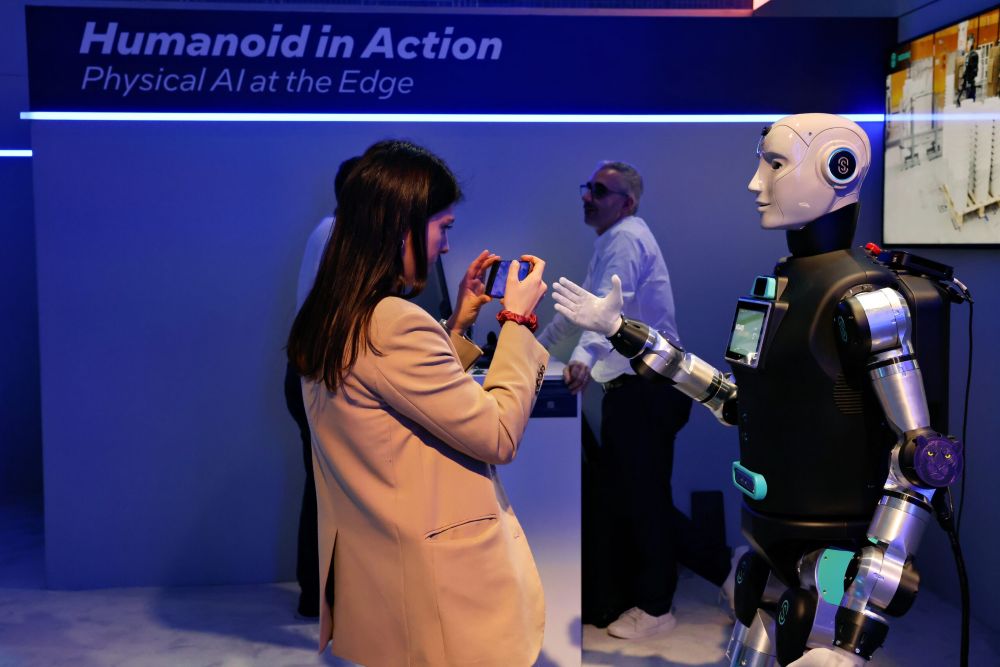
Take RoBee, developed by Italy-based Oversonic Robotics, which was showcased at the Intel booth in practical, real-world contexts, such as health-care and manufacturing environments. The value of a humanoid robot is no longer in novelty, but instead in building, trust, precision and reliability. These machines are designed to function safely around people, navigate unpredictable spaces and perform multiple tasks without constant human oversight.
RoBee can recognize people, interpret gestures and analyze its surroundings instantly, processing data directly on the device rather than relying on the cloud. That capability translates into faster response times, stronger data privacy and safer interactions, from navigating crowded hospital corridors to handling objects delicately or engaging calmly with patients.
AI needs to improve real situations without introducing friction or risk in order to maintain consumer interest and trust in a brand. When a system anticipates needs accurately, protects sensitive information and behaves predictably in real-world conditions, it reinforces consumer confidence. When it fails, no amount of clever storytelling can compensate.
This means brand promises are increasingly fulfilled or broken far beyond advertising. Engineering decisions, architectural choices and power efficiency of a product now directly shape brand perception.
Trust has overtaken hype (and hyper-personalization)
If earlier waves of AI innovation were driven by excitement, CES 2026 made clear that AI responsibility has taken centre stage. Conversations around privacy, transparency and data control were no longer peripheral, they were foundational.
Consumers are more informed and more skeptical. They understand that intelligence depends on data and they are increasingly selective about how and where that data is processed. They notice when systems overreach, when personalization feels intrusive or when accountability is unclear.
This trend is particularly pronounced in markets such as Canada, where privacy-conscious consumers have long demanded higher standards for data handling. What we saw at CES suggests global consumer expectations are finally catching up to this more mature, cautious mindset.
In other words, trust can no longer be treated as a messaging exercise. It is built through how systems are designed, what data they require and how visibly they prioritize user protection.
Consumers also still want relevance but no longer want to feel analyzed, predicted or followed. The bar has shifted from how much a brand knows to how well they understand when and why to act.
The most compelling and effective AI applications weren’t those that optimized every interaction, but those that used intelligence selectively, in moments where it clearly added value. Experiences that felt situationally aware resonated more than those that felt constantly adaptive.
The era of “collect everything, optimize everything” is ending. Consumers are increasingly aware of the trade-offs between personalization and privacy, and they expect brands to navigate that balance responsibly.
What this means for marketers in 2026
CES 2026 didn’t predict the future but revealed how much expectations have already changed. A few takeaways for marketers:
Stop marketing AI itself. Consumers assume it’s there. Focus instead on outcomes: confidence, reliability and peace of mind.
Align marketing, product and engineering earlier than ever. In an AI-driven world, brand promises are inseparable from system performance.
Treat trust as a design principle, not a campaign theme. How intelligence operates behind the scenes will matter more than what brands say about it.
Finally, prioritize simplicity. The most powerful innovations at CES weren’t the most complex, they were the ones that quietly removed friction from everyday life.
CES has always been a mirror reflecting where technology is headed. This year, it reflected something else: a more discerning consumer, less impressed by hype and more focused on value. In 2026, the brands that win won’t be those that talk the loudest about intelligence – they will be the ones that apply it so thoughtfully that people barely notice it at all.
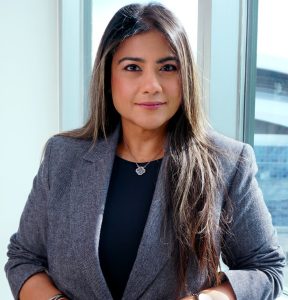 Asma Aziz has served as Country General Manager of Intel Canada since October 2024. Previously, she was Intel’s Regional Chief Marketing Officer for North America and Latin America, based in Toronto, and held senior marketing roles across multiple global markets during more than 20 years at the corporation.