By Kristy Pleckaitis
Artificial Intelligence isn’t quietly easing into our industry; it’s rewriting the pace and pressure of how we work. It’s reshaping expectations, stretching possibilities, and opening new opportunities almost overnight. But its acceleration has also surfaced a very real unease about what, and who, might get left behind.
Still, the future of our industry is not a story of inevitability.
Firstly, we have agency over what happens next (pun intended). We are not passive observers. Creative marketers and makers have never waited for change to arrive; we’ve shaped it. That responsibility remains.
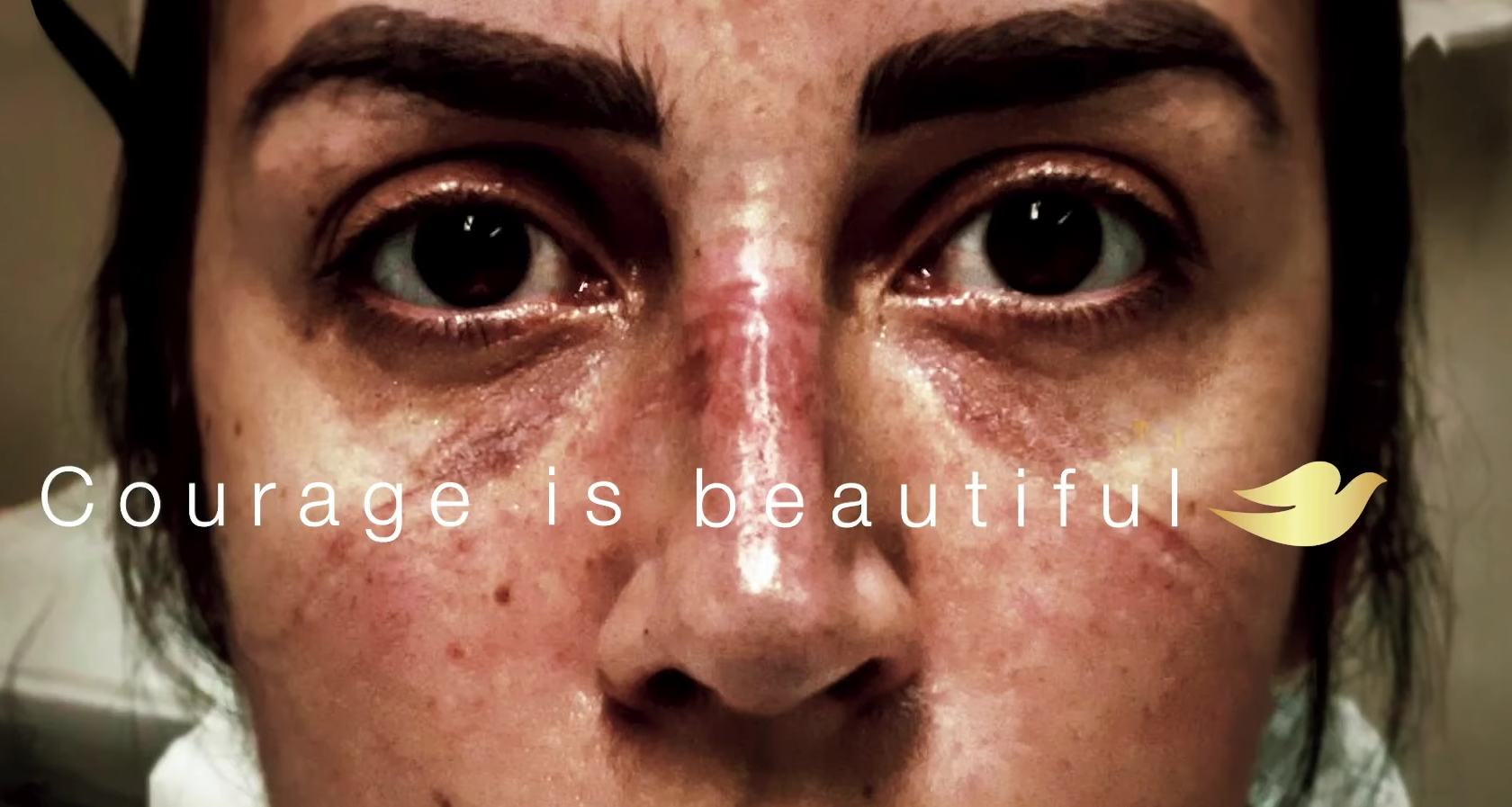
Secondly, and more importantly, AI cannot replicate the emotional force that gives creativity meaning. Human complexities, often messy, contradictory and unexpected, are what give creative work its resonance. When creativity is guided by feeling rather than formula, and brands choose to participate in culture instead of simply optimizing within it, the result is work that endures (a few of obvious examples include Nike’s Just Do It, Dove’s Real Beauty and Always’s #LikeAGirl).
Overreliance on AI poses a broader risk: not replacement, but erosion. AI’s strength, and its limitation, is aggregation. It can mimic emotion but not originate it. It can generate volume but not genuine insight. As brands increasingly rely on the same models, datasets and prompts, the risk isn’t automation; it’s drifting toward a creative landscape defined by uniformity.
We can safeguard our world and our roles by not letting AI do our creative work for us. Here are a few ways how:
We need to do the work before we ask AI for help: No prompt should be given to AI until we’ve done the most difficult tasks ourselves, like forming a point of view, identifying a real tension and articulating a feeling or truth worth expressing. AI can help shape an idea, but it shouldn’t be the place where meaning is found. After all, that is, and always will be, our greatest gift as humans.
Humans must be held accountable for the work: Every piece of creative output should be traceable to something real, a feeling someone had, a belief they hold, a question they wrestled with, or an experience they lived. AI can assist in bringing ideas to life, but it cannot be responsible for why they exist in the first place.
Redefine what success looks like: Efficiency and effectiveness are typically at odds with one another, according to research by the Institute of Practitioners in Advertising. When speed to market and volume of outputs become the goal, we lose depth and impact. We should be valuing emotional resonance, memorability and the strength of connection that our work creates with people.
Control the narrative before it controls the work: When AI is framed as a technology we have to use, urgency overrides judgment. Big claims get made, sweeping decisions follow and adoption races ahead of understanding. We should be framing it as a tool to be challenged, constrained and consciously applied.
Set the rules before the work begins: Formalize clear AI policies within the agency and establish client-specific agreements that define where AI is used and where it isn’t. Boundaries create clarity. Without them, technology decides for us.
The industry now stands at a crossroads. AI will continue to evolve and reshape how we work. It will accelerate production, challenge processes and expand what’s possible. But it cannot replace the human spark that defines great creative work. If anything, it makes that spark more valuable. Our responsibility is to protect it, invest in it, and build brands that people don’t just recognize, but feel.
So, the real question is not whether AI will change advertising. Instead, we should be asking if we will allow efficiency to overtake originality, or if we will use this moment to reassert the value of the human experience and perspective in building strong connections between brands and consumers?
Technology should accelerate creativity, not flatten it. Emotion should lead. Distinctiveness should matter. The people behind the ideas, the ones with lived experiences, instincts and imagination, must remain at the centre of the process.
Artificial intelligence may shape the tools. But humans must shape the work.
 Kristy Pleckaitis has been the SVP of strategy at Broken Heart Love Affair since October 2022 after joining the agency as its VP of strategy in May 2021. With a background in UX design shaping her perspective, Kristy’s work has been recognized at home and abroad by Cannes Lions, the Marketing Awards, AToMiC, SIA and the Advertising & Design Club of Canada.