By Kaitlin Doherty
Everyone keeps yelling “It’s the age of AI!” or “It’s the age of analog!” or “It’s the age of [insert trendy buzzword here].” But in our world of marketing and advertising for brands, services and products: It’s the age of people. Always has been. Always will be. Because people, their attention, and their spending power hold the keys to business success.
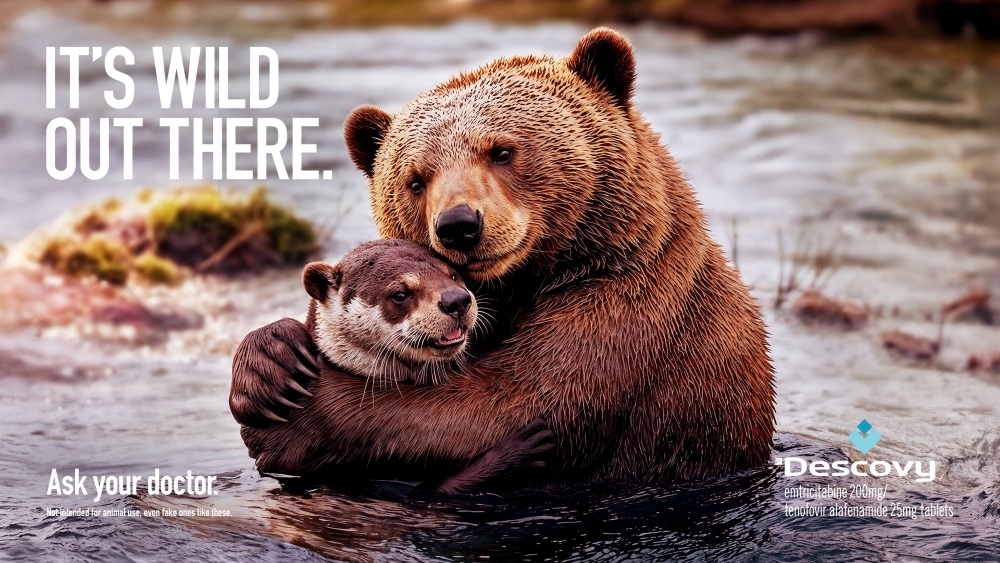
There’s no shortage of articles arguing whether artificial intelligence will replace creativity or advertisers. And as far as I’m concerned, have at it. I will happily skip that article every time. Not because I’m ignoring AI. I think the technology is incredibly interesting. Last year at The Local Collective, we created a campaign for our clients at Descovy, using AI artists and studios. It would have been impossible without it. The process was fascinating, and the campaign was fantastic.
I’m just not particularly interested in framing this as a competition. I also don’t try to compete with a calculator. It’s technology. It’s a tool. In some cases, it’s incredibly useful in marketing. In others, it’s not.
One of the most useful things AI has given agencies is not speed or scale, but focus. Lower-funnel execution is becoming more efficient, more automated and more accessible. That is not a threat. It is a gift. Fewer layers of friction in execution means more room to think, to obsess over the real problem and to decide what actually needs solving.
That work is what I care deeply about. It’s the work we are actually hired to do. Agencies exist to solve business problems by connecting brands with people. Not to make ads for the sake of it. Not to debate tools endlessly. We come in to help brands grow by persuading people who make spending decisions in wildly irrational, emotional, distracted ways.
That irrationality is the opportunity. And it’s the expertise of a strong creative agency.
It can look chaotic if you haven’t spent decades professionally solving against it. Spend enough time inside a creative agency and that irrationality starts to make sense.
People do not wake up waiting to be optimized. They wake up overwhelmed. They are skimming, scrolling, ignoring, multitasking. And yet somehow, they still choose. They choose brands that feel familiar. Brands that make sense to them. Brands that earn a moment of trust, humour, relevance or usefulness.
Advertising has always been about persuasion. About helping a brand earn a choice in a crowded, distracted world. That hasn’t changed. Technology evolves. Platforms shift. Buzzwords rotate. The amount of competition and media increase. But the job stays the same.
And I have to say, I don’t envy marketers right now. The number of questions they’re expected to answer, many of which have very little to do with actual business outcomes, must be exhausting. The pressure to justify every decision, every dollar, every experiment has never been higher.
What often gets lost right now is accountability. Not reporting. Not dashboards. Actual accountability for growth. And that’s understandable. Marketing decisions are being made under more scrutiny than ever before, often by people far removed from the work itself. When that happens, the work starts to optimize for internal comfort rather than external impact.
You see it in the ideas that get approved. The safest idea wins. The most easily justified idea wins. The idea that comes with the cleanest chart or the least amount of explanation wins. Not because it’s the right answer, but because it’s the easiest one to defend in a meeting.
That doesn’t mean marketers are making bad decisions. It means they’re being asked to operate in systems that reward risk management over growth. But brands don’t grow because an idea was defensible. They grow because it worked. And those two things are not the same.
And I believe this is where the right agency partnership becomes critical. Choosing a partner willing to stand in the tension between what feels safe and what might actually move the business forward.
The right partner will support the brand as they navigate irrational human behaviour to develop a strategy for business growth that, I promise you, is anything but luck. Not because agencies have access to better tools. Not because they can move faster. But because the right agency brings clarity to chaos. They know when to push for long-term brand building and when to pull the lever on short-term sales. They know when data should lead and when instinct should override it. And they are willing to say no when a tactic looks efficient but does nothing to move the business forward.
And in all of this, your agency should care as much about how the business is doing, growing, landing among people as much as you do. And don’t mistake a creative laughing at their own joke for a lack of seriousness. Those jokes are there to push an irrational human decision behaviour into a controlled commercial and business result.
The irony is that agencies are often selected in ways that actively work against this. Another topic that get lots of chatter. Process-heavy RFPs, rigid scopes and procurement-led decisions optimize for cost and control, not outcomes. Yet brands still expect transformational thinking on the other side. All I will say is, if you commoditize a relationship built on judgment then don’t be surprised when the work feels interchangeable.
AI will continue to reshape how marketing gets executed. That is inevitable. But it will not decide if your business grows. People will.
I love technology. I love going to CES. I love reading about and experimenting with what’s new. AI is something I use regularly. But when it comes to building success, building brands, driving growth and creating real commercial impact in Canada, this is not the age of AI.
It’s the age of people.

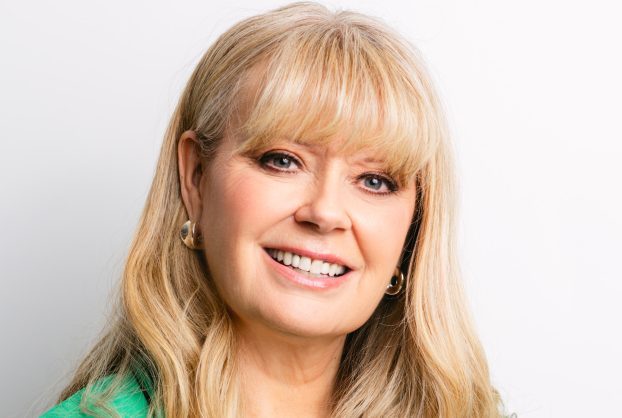
Kaitlin Doherty is the co-Founder and president of creative agency The Local Collective and two contemporary pop-art galleries, The Local Gallery, in Toronto and New York City. A lover and champion of creativity and a natural entrepreneur, Kaitlin has been leading and guiding brands through their communication challenges and transformations for close to 20 years.