This article was previously featured in the Spring 2026 issue of Strategy Magazine. Over the next few weeks, you can find the print stories online here.
By Chelsea Clarke
For years, “authenticity” may have been marketing’s most overused word. But according to VML’s Future 100: 2026 report, it may also be becoming one of the few remaining sources of brand differentiation.
VML makes a blunt observation: trust is no longer assumed. Fewer than half of consumers (44%) trust brands to share accurate information – a decline driven by AI-generated content, political noise and a general sense that marketing has become too polished to be believable
In that kind of environment, neutrality isn’t safety. It’s suspicious.
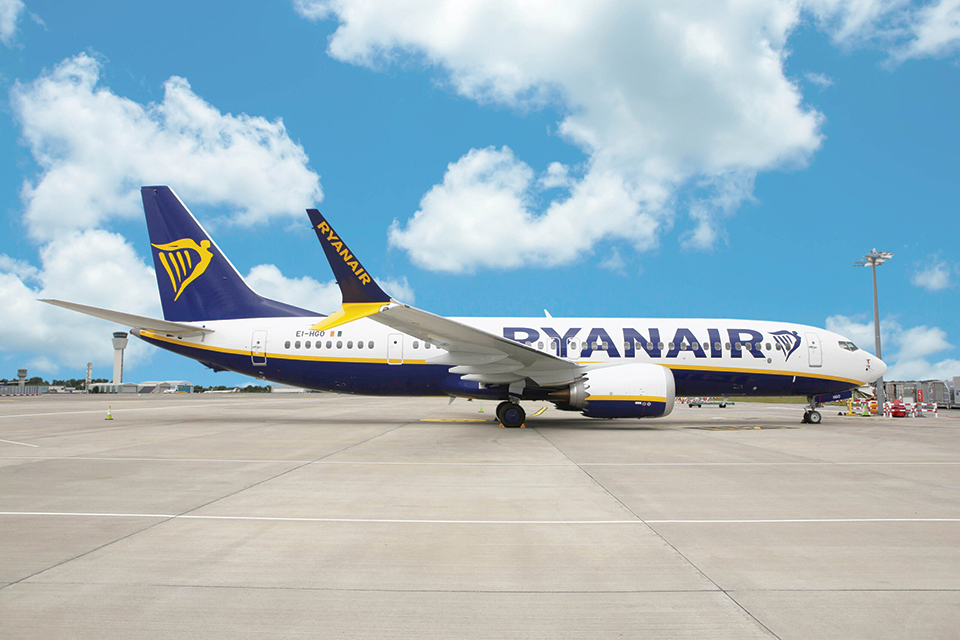
What’s emerging instead is what VML calls “brand bastions” – companies that proactively expose how they work, what they believe and where they fell short. The examples aren’t about lofty mission statements or performative values; they’re operational. Consider Spotify tightening rules around AI-generated music; The Ordinary publishing plain-language explanations that challenge beauty myths; or Ryanair leaning into its limitations rather than pretending they don’t exist.
It’s a significant shift for Canadian marketers. In a market shaped by regulation, cultural skepticism and heightened scrutiny, trust is earned less through fancy positioning statements and more through real-world proof. Brands that get ahead of uncomfortable questions build resilience. Those that wait to be challenged lost control of the narrative.
More insights from The Future 100: 2026 are available at vml.com/insight.