Image credit: Atlantic Ambience on Pexels
A near-perfect majority – 99% of Canadian parents – plan to shop in-store for back-to-school (BTS) essentials this year.
A spring Retail Council of Canada (RCC) and Caddle survey of approximately 1,400 Canadian shoppers with kids attending kindergarten to Grade 12, reveals that nearly every Canadian parent is purchasing core categories including school supplies, clothing, snacks, and hygiene products, in a brick and mortar location.
Retail Council of Canada (RCC) and Caddle data reveals that back to school spend on average per household, ranges from $600 to $750 per child when electronics are included.
Mass merchandisers like Walmart serve as both the starting point and primary destination for most families. Walmart is the lead in first-visit shops (34%) and accounts for the largest share of total spending (47 %). Costco claims second spot with 11% of first visits and 21% of total spend share.
Amazon and Dollarama are third in terms of first-spend share (10% and 11%) and where parents expect to do 25% each of their spending.
Promotions still hold sway for BTS shoppers: 85% “always or often” look for discounts (slightly down from 89% last year), while only 1% shop without considering offers.
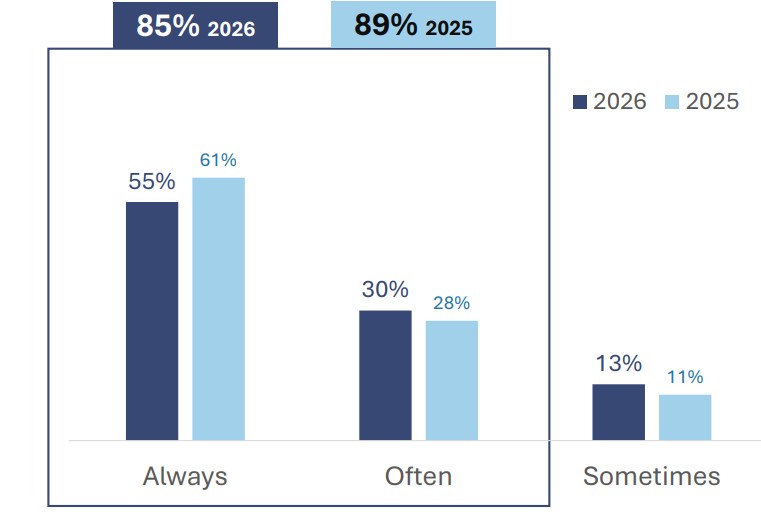
Image courtesy of Retail Council of Canada
Interestingly, 61% of parents have already started BTS planning, or intend to begin soon.
Planning timelines vary significantly by age: parents of younger children tend to begin earlier, while parents of high school students are significantly more likely to shop without advance planning.
Reviews carry the greatest weight with parents of younger children: 51% of kindergarten parents say ratings and reviews are very important, compared to just 17% of high school parents.
Across all parents, 71% check reviews while shopping in-store, and 78% research items online before buying.
While most parents express confidence in their ability to complete BTS shopping efficiently, only 19% expect to finish in a single trip. The majority anticipate two to three separate visits, driven by product availability, ongoing price comparisons and school supply lists changing.
Private label products are most popular among parents of younger children, and national brands reportedly gain influence as children age and develop stronger brand preferences.
According to the report, nearly three-quarters (74%) of kindergarten parents plan to buy store brands, yet interest declines steadily as students get older and brand preferences strengthen.
Finally, new to this year’s research is that 44% of parents are already using or are very interested in AI-powered shopping tools to help build lists, compare prices, or identify where to shop.