Marketers and creatives spent months – and more likely years – planning for this summer’s FIFA World Cup. The opportunity was too big not to with eyes around the globe descending on Canada for 13 matches hosted in Toronto and Vancouver.
The tournament delivered the audiences brands had hoped for, with Bell Media reporting record television and streaming viewership, while Numeris said average per-match audiences were up 50% over the 2022 World Cup in Qatar. But another question emerges after the final whistle: How do brands turn short-term cultural relevance into long-term connections with consumers?
“Translating the past six weeks into lasting business value is a significantly stressful marketing challenge for all partners involved,” says Mark Harrison, founder of MH3 Collective and T1 Agency, which focuses on the intersection of sports, entertainment and charitable initiatives.
He says projects like Airbnb’s $550,000 investment in four Ontario communities – Bracebridge, Gravenhurst, Niagara-on-the-Lake, and Prince Edward County – extends the tournament’s reach to a new generation of soccer fans and families. While the Airbnb project might not have made the most obvious splash on tournament grounds in during broadcasts, its forward-looking work builds lasting connection to tap into moving forward.
“Assuming those efforts are leveraged and activated, the brand benefit will be in follow-up storytelling and brand affinity. It will be an interesting case to measure in two-plus years,” Harrison tells strategy.
Beyond the final whistle
Allan Regan, Salt XC’s EVP of creative and design, agrees the strongest activations were never meant to end with the World Cup final. Salt worked with a number of the event’s most-high profile brands – FIFA itself, Coca Cola, Michelob Ultra, GE – to develop on-the-ground experiences and shared moments with both local and international fans alike.
But Visa’s rollout at Toronto’s Nathan Phillips Square is a legacy-building signpost for Regan. A pair of temporary pro-level pitches set up for the Visa Street Soccer Park will be permanently relocated donated to Toronto communities, alongside a $200,000 contribution to the city’s Soccer for All Legacy program, work the brand can call back to as soccer’s place in the country, and the athletes who lead it, only continues to grow.
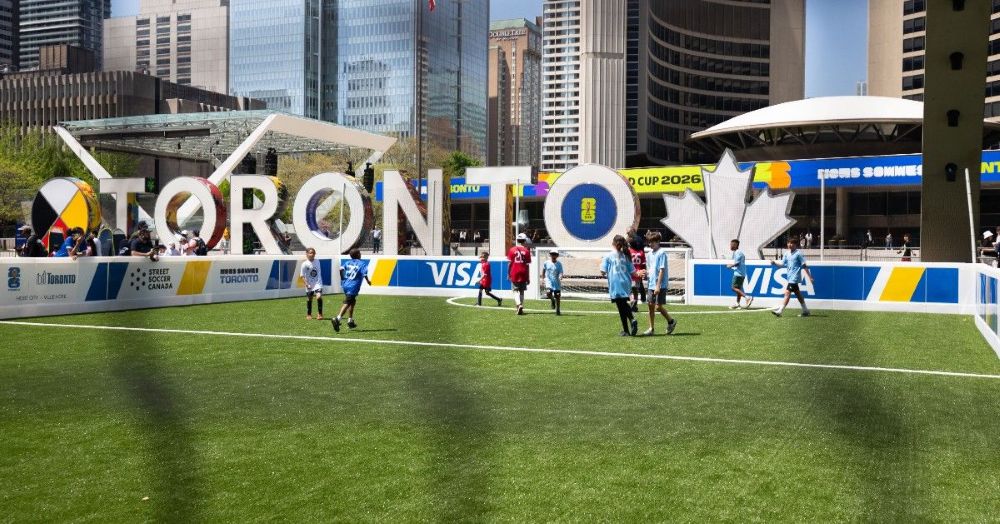 Image courtesy of Visa
“Often CSR initiatives are disconnected from brand marketing initiatives, meaning budgets spent on experiences aren’t often intended to last,” Regan tells strategy. “This could and should change, but it takes an exchange between brands and cities … Think ‘sports brand brings in public seating to a much-needed empty square and in exchange runs an annual sporting event using that seating.’ It needs commitment from both sides, investment from one, permission from another – but you have to think both sides win long-term.”
Building a lasting legacy is one challenge, but measuring whether those investments actually paid off is an entirely different equation.
The value in ‘the moment’
Harrison argues that while the sheer volume of data available to marketers can be overwhelming, a handful of metrics matter most. For consumer brands, he points to earned-media value during the tournament and organic share of voice once the spotlight fades. For B2B organizations, he says the focus should be on sales-funnel indicators such as new accounts, deal velocity and average deal size.
Kraft Heinz’s work tapped into that earned-media and conversation-starting approach through campaigns like the Heinz x Heineken “The Match We’ve All Been Waiting For” campaign and packaging innovations like “Penalty Packets” – ketchup and mustard pouches reimagined as red and yellow cards – and “Stadium Bottles,” match-adjacent product giveaways with the brand name blacked out in a nod to FIFA’s strict in-stadium sponsorship rules.
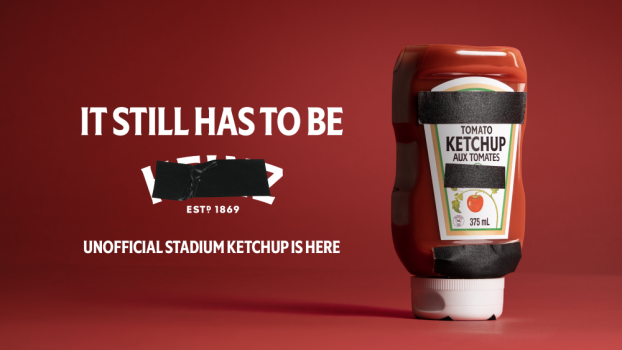
Brian Neumann, head of brand and creativity at Kraft Heinz Canada, says the work helped spur a 4.4-point year-over-year share increase in June alone. Strong sampling performance and substantial microsite engagement also point to strong consumer interest and lasting connections that link back to the summer-soccer moment.
“One of our key objectives was to cut through the tournament noise,” Neumann tells strategy. “While soccer may be over, summer is just getting started … there are countless opportunities to keep connecting with Canadians. The World Cup helped put Heinz into consumers’ hands and reaffirm our role in memorable shared experiences. Now we’re focused on maintaining that momentum by continuing to earn our place in it.”
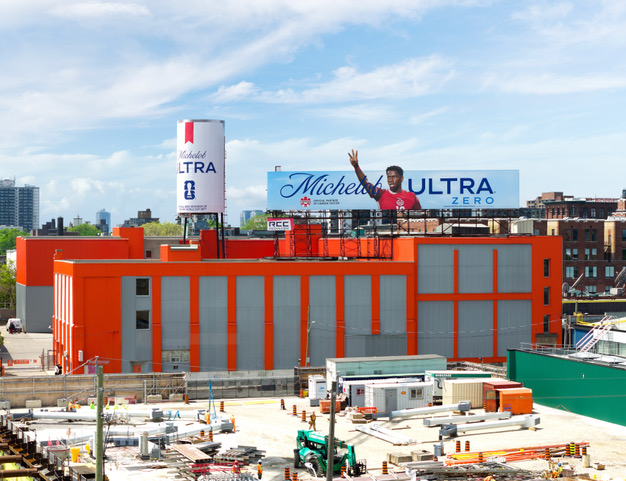
Labatt Breweries also developed its World Cup work with an eye on longer-term strategy. Andrew Oosterhuis said pre-tournament that the “Superiors Access” platform was “the single most important thing to our business, globally and locally” this year. The brand built experiences around stadiums, fan festivals, Canada Soccer House and athlete partnerships with the goal of driving trial and long-term affinity.
Oosterhuis said in a recent interview that the momentum and learnings will drive its approach to next summer’s Women’s World Cup in Brazil and be used to strengthen its partnerships with the NBA and connections to golf, while positioning Michelob Ultra and Michelob Zero at the intersection of sport, socialization and active lifestyles.
“We wanted Michelob Ultra to sit at the centre of the increased socialization surrounding the moment,” Oosterhuis says. “The impact is that thousands of consumers interacted with Michelob Ultra during the moments when excitement, connection and openness to trial were at their highest. That allowed us to use creativity and experience as real business levers – bringing more people together, introducing more consumers to Ultra and Zero, and building momentum for the brand beyond the tournament.”
Where event marketing goes next
Another takeaway from the tournament, Harrison adds, was the growing influence of creators over traditional broadcasters. Unilever’s use of 50,000 creators across 120 countries and the record-breaking audiences achieved by creator-led broadcasts are evidence, for him, that future sponsorship strategies will need to think beyond official media rights and embrace personalities who can sustain conversations long after major events conclude.
“Creator-led campaigns brought connection and engagement for brands looking for more than a soccer tournament, tapping into a cultural moment instead,” Harrison says. “The official partnership between TikTok and FIFA would have been fanciful thinking 10 years ago, but its creation and leverage generated the most powerful content of the tournament.”
If the digital and social space is spurring event marketing’s revolution, Regan argues another tactic is rethinking how physical spaces are occupied. The World Cup demonstrated that experiential marketing can do more than drive awareness or trial, it can leave behind community assets and reshape how people experience their cities. The challenge, he says, is making sure those investments don’t disappear as the limelight fades.
“The goal, at a business level, should be to leverage the IRL moment to build a digital connection with fans, but if that’s just going to be a generic email once a week, you’re for sure delivering a big let down,” Regan says. “If we want to see summers that look like 2026 then we need to see the corporate and public sectors coming together and maximizing brand budgets against free and collaborative public spaces to energize the city for the residents, instead of ghost town-esque spaces tied up in red tape. At the intersection of private money and public spaces lies a city that is alive year after year.”
– Images courtesy of Visa, Kraft Heinz and Labatt Breweries of Canada