Humanity, awe and inspiration.
Those are the three words I keep coming back to when I think about my first Cannes Lions.
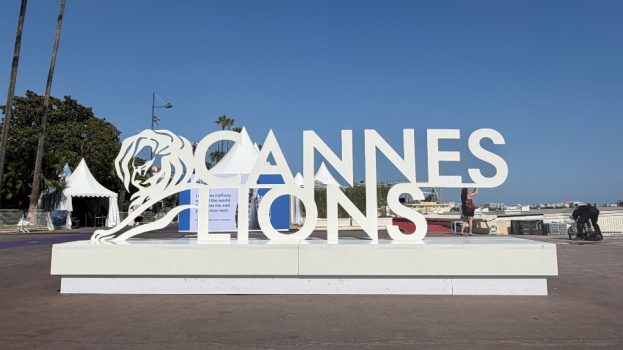
I arrived not really knowing what to expect. After a four-hour flight delay (which, admittedly, was nothing compared to some of the travel horror stories I heard all week), we landed on Saturday morning and, almost immediately, I felt the scale of it all.
Walking down the Croisette felt like stepping into a French Riviera version of Times Square. Every corner belonged to a brand. Giant installations, takeovers and experiences stretched along the waterfront. But unlike traditional OOH advertising, these weren’t messages to simply look at. They invited you in, asking you to stop, touch, listen and participate.
And that’s when it hit me: Cannes isn’t an event you attend. It’s an experience you step into.
That feeling followed me into my first press conference on Monday.
From the first conference, one thing that caught my attention was that jury presidents stayed long after sessions ended to continue conversations and give spontaneous interviews.
That brought me back to an older version of journalism: one that feels increasingly rare. The kind where you chase sources in person, wait around after a session and earn a conversation; where you record, interview, take notes, transcribe and come back the next day to do it all over again. It reminds me that the possibility of interviewing someone face-to-face brings with it everything that gets lost in translation online: the offhand comment, the unexpected answer, and the bit of context that reshapes your understanding of a story.
In a week dominated by conversations about AI, it felt almost poetic. It reinforced something simple: some things, such as a real human connection, can’t be replicated through a screen.
The same spirit wasn’t only present in the press rooms: it carried through the rest of the festival as well, including the Canada gatherings.
During the Canada dinners, there was a generosity in the room, a willingness to share ideas, answer questions and connect with others regardless of title or seniority. It also felt like a masterclass not just in openness, but in curiosity: a room full of people genuinely interested in learning from one another.
Those conversations, with jurors and Canadian leaders, naturally opened up a broader view of the industry, offering insight into the trends shaping the festival, where creativity is heading, which markets are rising, and what kind of work is resonating around the world.
One theme that kept coming up again and again was simplicity, perhaps because the industry has become so global and complex.
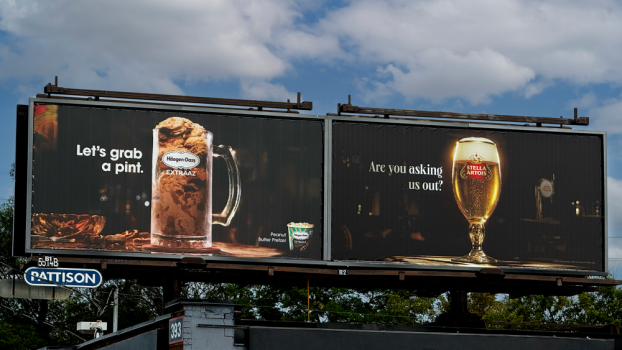
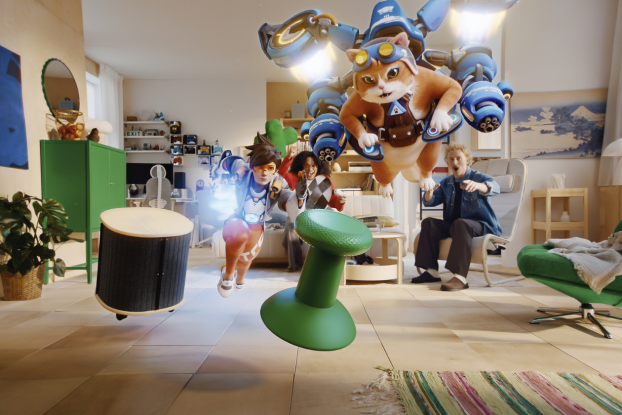
I remember what IKEA’s head of marketing, Jonelle Ricketts, said: that the strongest activations were rooted in genuine human insights and executed with simplicity. I kept thinking about Print & Publishing jury president and Wieden+Kennedy Mexico chief creative officer Jessica Apellaniz’s observation that some of the strongest work stripped away products, logos and explanatory copy altogether, trusting audiences to make the connection on their own.
In a world that often mistakes complexity for sophistication, it felt almost radical. The strongest work wasn’t trying to say more; it was saying less.
And then there was humour.
Pharma jury president and Omnicom Health U.K.’s chief strategy and innovation officer, Tracey Brader, spoke about the growing use of humour to tackle serious subjects, bringing freshness and humanity to difficult conversations. It was another reminder that creativity’s greatest strength isn’t always its ability to impress; sometimes it’s its ability to make us feel something, even if that feeling begins with a smile.
In many ways, simplicity and humour felt like the unofficial themes of the festival. Both require confidence. Both depend on trust. And both are, at their core, deeply human.